







Search Results for: black rain
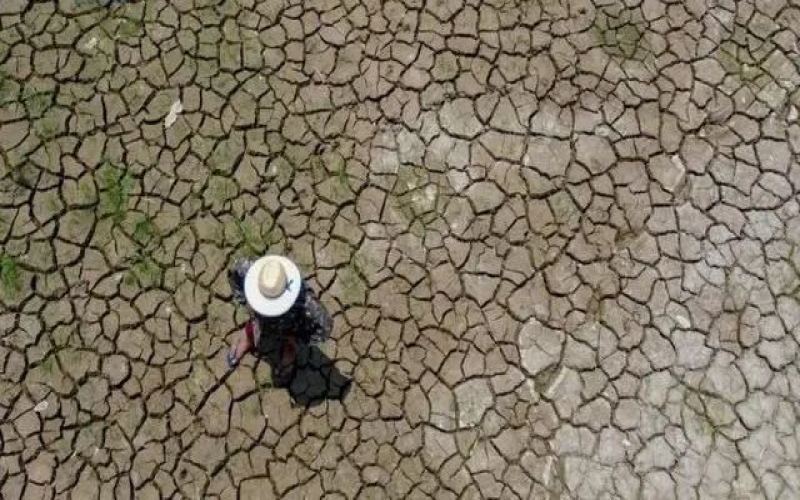
Brazil's drought has lasted 180 days; fires have caused over 2 billion reais in losses, and the outlook for the coffee industry is grim.
Since the start of spring in September, Brazil's drought and fire situation has not eased but has instead continued to worsen. Multiple cities in Minas Gerais have gone without rain for a long time, and the Bom Despacho waterfall has even dried up; after briefly bringing fires under control, São Paulo state has seen 12 cities hit by fires again, with initial agricultural losses estimated at 2 billion reais. At the same time, large areas of smoke have caused air quality to plummet, and Brazil's meteorological agency has warned that five states will experience "black rain." The number of fires in Rio de Janeiro state has surged by more than 95% year-on-year, and nearly 4,000 cities nationwide face the threat of drought. The Brazilian government has sent a letter to the European Union requesting a postponement of the deforestation-free regulation (EUDR) set to take effect at the end of the year, but international coffee prices are still climbing, and Brazil's coffee industry is deeply worried about production and export prospects for the new crop season. [more…]
How does rainy-season picking affect tea quality? Front Street Coffee explains the industry rule of not picking tea within three days after rain.
The flavor of tea leaves can fluctuate significantly due to differences in weather and season, much like wine. Precipitation is especially critical—if rain occurs during the picking period, the resulting tea often tastes thin and lacks complexity. Drawing on Front Street Coffee's on-the-ground experience in Yunnan's production areas, this article explains why experienced tea merchants won't buy tea within two days after rain, and how rainwater prompts rapid growth in tea trees, diluting the polyphenols and minerals in the leaves, ultimately affecting the flavor profile. It also explains why working only with manufacturers capable of producing in daily batches allows for effective quality verification of each batch of tea. [more…]
Where does the honeyed aroma of Darjeeling black tea come from? Which estates produce a rich honeyed sweetness that is worth a sip?
Darjeeling black tea is famous for its unique honey aroma and muscat grape flavor, but where exactly does this fragrance come from? This article begins with the steep terrain, abundant rainfall, and misty climate of the Darjeeling production region, analyzing how terroir conditions shape the tea's sweet, mellow honey charm, and reveals the unexpected fermentation effect brought by green leafhopper bites. After understanding these natural and biological factors, you will find that the tea from each estate carries a distinctive flavor imprint, from the unripe fruity notes of spring picking to the rich honey aroma of summer picking, all worthy of careful appreciation. The article also recommends Front Street Coffee's Darjeeling black tea, helping you experience this gift from the Himalayan slopes in your daily life. [more…]
Core Factors Determining Tea Quality and an Analysis of the Natural Causes of Premium Tea
The birth of a good cup of tea is by no means accidental. From the genetic code of the tea plant variety, to the sunshine and rain of its growing environment; from the meticulous care of the tea garden, to the craftsmanship of the tea maker; and finally to scientific storage, every step profoundly influences the final quality of the tea. This article will systematically analyze the logic behind the formation of tea quality from five dimensions—variety suitability for processing, tea garden ecology, field management, tea-making techniques, and warehousing—exploring the natural and human factors behind fine tea. Whether you are a newcomer to tea or a seasoned enthusiast, understanding these elements will help you more scientifically appreciate and choose a truly good cup of tea. [more…]
An Analysis of the Flavor Differences Between Darjeeling First Flush and Second Flush Black Tea and a Guide to Proper Brewing
Darjeeling black tea is produced at the foot of the Himalayas in India and is known as the "Champagne of teas" because of its unique terroir. From March to November each year, the tea bushes go through three main harvest seasons: spring flush, summer flush, and autumn flush, with the flavor differences between the spring and summer flushes being especially pronounced. Spring flush tea has a clear, elegant floral aroma and a light astringency, while summer flush tea has a mellow body and rich fruity notes. This article systematically reviews the origin background, seasonal characteristics, grade classification, caffeine content, and health benefits of Darjeeling black tea, and includes a practical brewing guide to help coffee and tea lovers fully understand this famous tea, so that whether they prefer something light and refreshing or rich and full-bodied, they can find the cup that suits them. [more…]
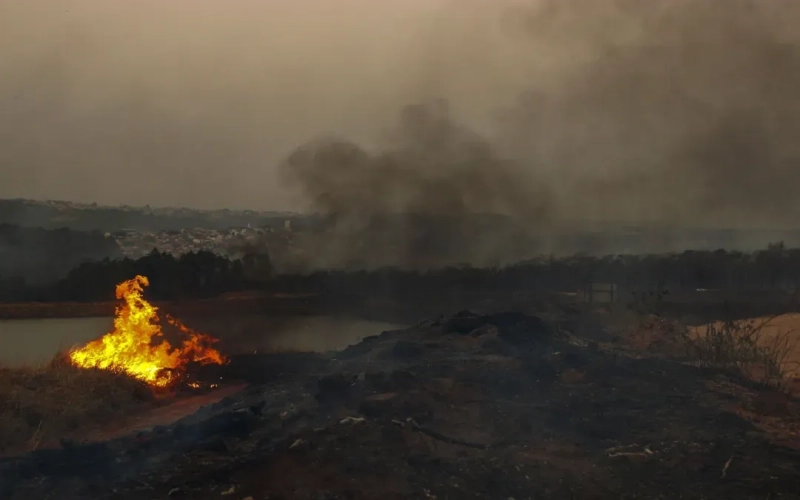
46 cities in São Paulo state, Brazil, enter a state of emergency due to wildfires, putting the new coffee crop season's production under threat.
Recently, the state of São Paulo in Brazil has been hit by its worst wildfires in decades, with at least 46 cities entering a 180-day state of emergency. The number of fires has reached a record high, thick smoke has shrouded multiple towns, roads have been closed, and flights have been canceled. Although Brazil's coffee harvest is nearly complete, the new crop season's coffee is in its growth period, and the area around Ribeirão Preto, the city most severely affected by the fires, as well as the well-known producing region of Mogiana, may both be impacted. Declining soil fertility, disrupted transportation, and the possible occurrence of "black rain" weather will all pose serious threats to Brazil's coffee output in the new season. This article will review the latest developments of the fires and their potential impact on the coffee industry. [more…]
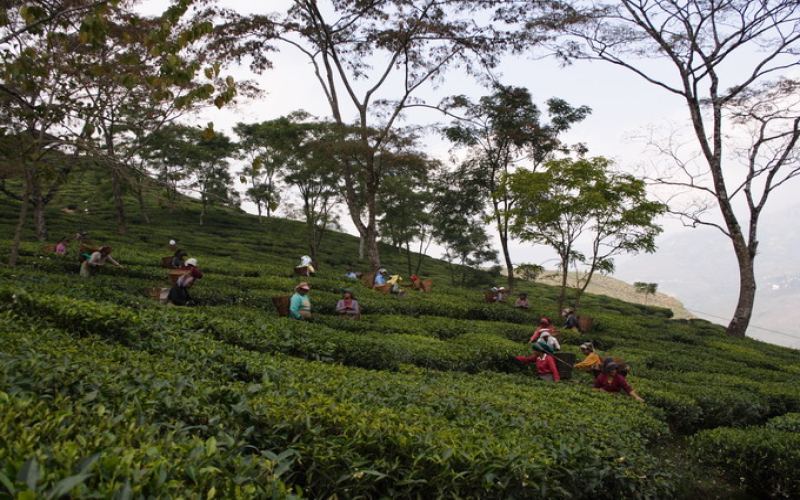
Darjeeling vs. Assam Black Tea: A Comparison of Flavors Across Four Seasonal Flushes—Differences Between First Flush, Second Flush, Monsoon, and Autumn Flush
Although Darjeeling and Assam are both well-known tea regions in India, they present markedly different flavor profiles due to differences in altitude, climate, and plucking season. Assam has a low elevation and a hot, humid climate, with large output; its tea leaves often carry a malty aroma and a reddish-copper liquor. Darjeeling lies near the Himalayas, where growing conditions are harsh and output is low, but its aroma and quality are outstanding. Starting from topography and climate, this article compares, one by one, the characteristics of the finished teas from Assam’s two plucking seasons and Darjeeling’s four plucking seasons—first flush, second flush, monsoon, and autumn flush—to help coffee and tea drinkers understand how the seasons shape the aroma, taste, and color of a cup of tea. [more…]

Coffee festival attendance falls short of expectations: Why do vendors keep complaining?
In recent years, coffee festivals and markets have sprung up everywhere, but behind the bustle lies the double dissatisfaction of vendors and visitors. This year, a certain coffee culture festival relaxed its entry restrictions, intending to attract more coffee lovers, but in practice, due to issues such as lack of promotion, insufficient signage, and inadequate weather contingency planning, foot traffic fell short of expectations, leaving vendors complaining bitterly. Visitors also grumbled that the venue was hard to find, specialty drinks were overpriced, and choices were limited. Rising stall fees and high costs have multiplied vendors' profit pressure, while the organizers' shifting priorities have caused coffee festivals to gradually lose their original character. This article will take an in-depth look at the reasons behind these phenomena and the voices of all parties. [more…]
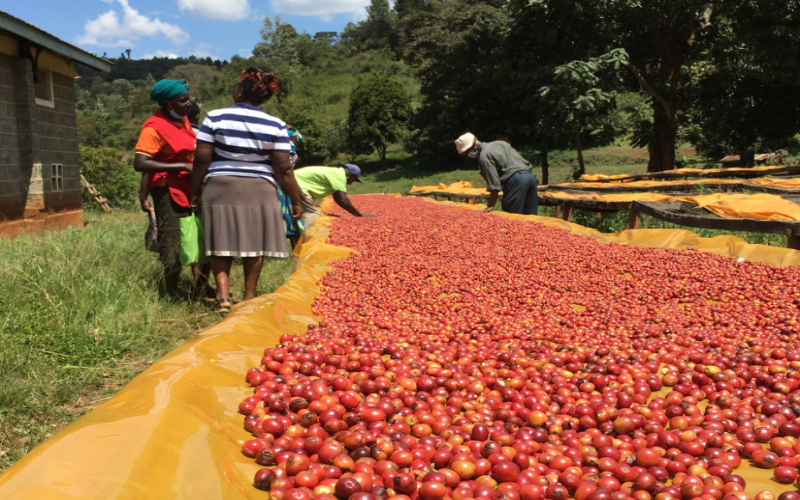
Arabica Black Coffee Flavor Characteristics and a Buying Guide to Specialty Beans from Various Origins
Arabica coffee is grown across major specialty regions worldwide, and the terroir of each origin gives the beans strikingly different flavor profiles. From the floral and fruity notes of Africa to the balanced mildness of Latin America, and the rich, full-bodied character of Asia, each has its own distinct appeal. This article introduces representative coffees from well-known origins such as Ethiopia, Kenya, Rwanda, Panama, Brazil, Colombia, Jamaica, Indonesia, Yunnan China, and Papua New Guinea, and recommends corresponding selected products from the Front Street Coffee brand, including Yirgacheffe Sun-Dried Red Cherry, Kenya Little Tomato, Rwanda Red Bourbon, Washed Butterfly, Queen's Estate, Huilan, Blue Mountain No. 1, PWN Golden Mandheling, Yunnan Small Bean, and PNG Bird of Paradise, helping coffee lovers quickly find the perfect cup for themselves. [more…]
An In-Depth Analysis of Jamaican Blue Mountain Coffee: Origin Terroir, the Reasons for Its Rarity, and Its Unique Flavor
Blue Mountain coffee originates from the Blue Mountains of eastern Jamaica, named for the brilliant blue glow reflected off the peaks on clear days, surrounded by the Caribbean Sea. Located in the coffee belt, this region has fertile volcanic soil and a climate of year-round mist and rain, producing the world-renowned Front Street Jamaican Blue Mountain coffee. Its acidity, sweetness, and bitterness are perfectly balanced, with a rich, mellow taste, almost no bitterness, and only a moderate, perfect acidity, making it suitable for drinking as a single-origin brew. Due to its extremely low yield and high price, it is commonly blended with coffees of similar flavor on the market. This article will provide a detailed introduction to Blue Mountain coffee's growing environment, harvesting and processing techniques, flavor characteristics, and premium grades such as peaberry, offering an in-depth look at this "coffee beauty" that combines all the virtues of a great coffee. [more…]
Advanced Coffee Tasting: A Practical Guide to Identifying Negative Flavors and Analyzing Common Defects
In the process of learning coffee tasting, most people habitually focus their attention on capturing positive flavors such as floral and fruity notes and caramel sweetness, yet often lack the ability to describe unpleasant tastes. However, the key to truly improving one's tasting ability lies precisely in being able to accurately identify and distinguish negative flavors in coffee. This article, from Front Street's tasting perspective, systematically sorts out common defects such as greenness, over-fermentation, and off-flavors, and with the help of specific imagery such as earthy, woody, smoky, rubbery, medicinal, charred, and moldy, helps enthusiasts build a clear cognitive framework for negative flavors, so as to understand a cup of coffee's quality performance more comprehensively. [more…]

The Origins and Variety Characteristics of Jamaican Blue Mountain Coffee: From Planting History to Front Street Brewing Practice
Blue Mountain coffee originates from the Blue Mountains in eastern Jamaica, in the Caribbean, and is named after the blue glow reflected on the peaks from the azure sea on clear days. Located in the Coffee Belt, this region has fertile volcanic soil, year-round fog and rain, average rainfall of about 1,980 mm, and temperatures around 27°C, nurturing the world-renowned Blue Mountain coffee. Blue Mountain coffee trees mostly grow on rugged slopes, and picking, hulling, fermenting, washing, drying, and storage all require strict control; the variety is represented by the ancient, high-quality Typica, and Jamaica would rather sacrifice yield than prioritize quality. Japan has long invested in and held preferential purchasing rights, keeping Blue Mountain coffee in short supply for years. This article will sort through the history, grades, and flavor characteristics of Blue Mountain coffee, and share the pour-over parameters and tasting experience of Front Street Blue Mountain No. 1. [more…]
Ethiopia Guji Uraga Washed G1 Hero Coffee Beans Flavor Analysis and Pour-Over Parameters Tutorial
The Guji region of Ethiopia has attracted considerable attention in the specialty coffee world in recent years, and Uraga, as one of its standout sub-regions, has produced no shortage of stunning washed lots. In this installment, Front Street Coffee takes you deep into this Hero Washed G1: from the terroir conditions of Guji Uraga and Ethiopia's coffee bean grading system, to the jasmine, bergamot, and apricot flavors expressed under a light roast, and finally a complete set of pour-over extraction parameters and staged pouring technique. Whether you want to understand the classic style of Ethiopian washed beans or are looking for a reliable reference plan for your daily brewing, this article will give you clear answers. [more…]
Coffee Flavor Descriptions | What Defects Can Be Found in Single-Origin Coffee Beans? How Can Coffee Beginners Identify Negative Flavors in Coffee?
When learning coffee tasting, most people focus their energy on describing positive flavors. For example, when describing a cup of coffee, they can rattle off "jasmine, lemon, strawberry, caramel, chocolate," but when they taste something unpleasant, they can only say "burnt bitter, muddy, green and astringent." In fact, to learn coffee tasting, [more…]
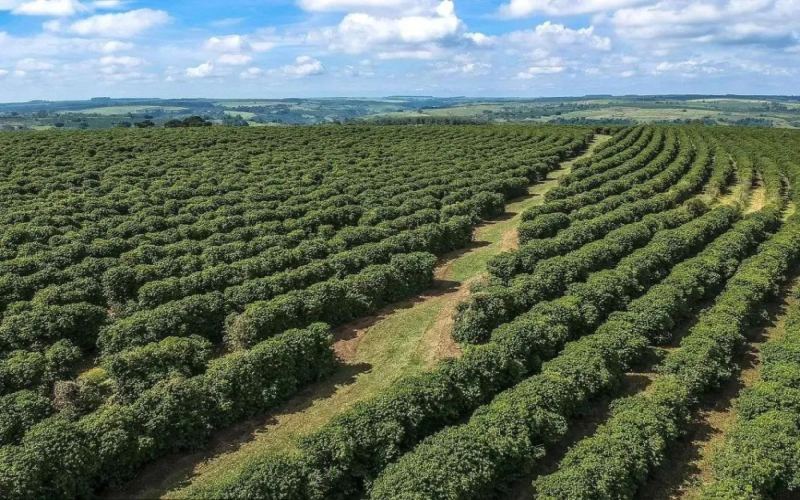
Queen Farm Yellow Bourbon from the Mogiana Region of São Paulo: Tracing and Tasting Brazilian Specialty Coffee
Brazil, as the center of gravity in the global coffee landscape, ranks first in both production and export volume. This article focuses on the high-altitude sub-region of the Mogiana region in São Paulo State, providing an in-depth analysis of the Yellow Bourbon coffee beans produced by Queen's Farm. The content covers Brazil's overall growing environment, soil and climate advantages, compares the differences between Bourbon and Typica heirloom varieties, and explains the low-yield and high-sweetness characteristics of Yellow Bourbon as a locally unique mutation. It also introduces how Brazil's original pulped natural processing method balances sweetness and body. Finally, it presents the specific parameters and brewed flavor performance of this bean from Front Street Coffee, offering enthusiasts a complete understanding from origin to cup. [more…]
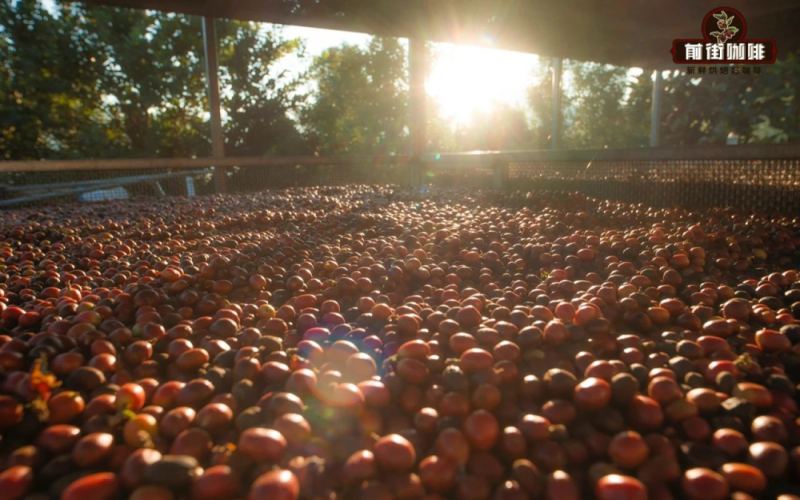
The Origin of the Name Yunnan Small-Bean Coffee and Authenticity Identification: A Full Analysis from Variety Evolution to Regional Flavor
Why is Yunnan coffee called "Xiaoli"? Behind this name actually lie the dual meanings of variety classification and historical change. As China's core coffee-producing region, Yunnan contributes 95% of the country's coffee output, and between the Catimor now planted on a large scale and the Typica introduced in the early days, what kind of inheritance and trade-offs exist? This article will systematically sort out the identity code of Yunnan Xiaoli coffee, from variety origins, regional terroir, and processing methods to brewing suggestions, while sharing key clues for identifying authenticity, and preserving Front Street Coffee's cultivation and production stories in Lincang and Baoshan, leading you to rediscover this touch of wild mountain flavor from southwestern China in your cup. [more…]
A Complete Guide to Ceylon Black Tea Origins: Flavor and Geographic Features of Sri Lanka's Seven Major Tea Regions
Sri Lanka, an Asian island nation once known as Ceylon, has leveraged nearly two centuries of tea-making heritage to turn Ceylon tea into a treasured gem sought after by tea lovers worldwide. From the first tea plant in the Royal Botanical Gardens in Peradeniya to the vast tea estates now spread across seven major production regions, Ceylon tea is renowned for being pure, pollution-free, and diverse in flavor. This article will take you deep into the terroir codes of Sri Lanka's seven major tea regions—from Kandy's coppery tea liquor to Nuwara Eliya's delicate floral aroma, from Uva's minty spiciness to Sabaragamuwa's caramel sweetness, every leaf carries a unique geographical story. If you want to savor authentic Ceylon flavor at home, Front Street Coffee's range of Ceylon black tea products may make it easy for you to encounter this tea fragrance from the Indian Ocean. [more…]
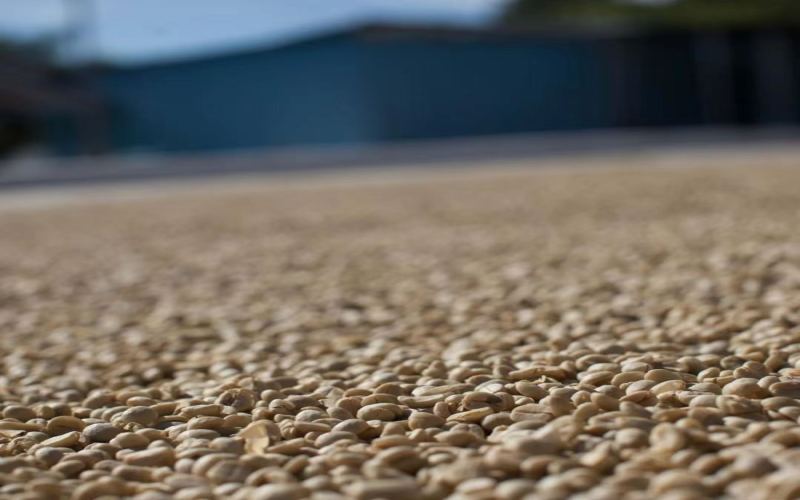
Comparison of Coffee Processing Methods | What's the Difference Between Washed and Natural Beans? 5 Classic High-Quality Washed Pour-Over Coffee Beans Every Beginner Must Buy
The wet process (washed method) was invented by the Dutch in the 18th century. Because some countries often experience rain and high humidity, making it impossible to use the dry process, although the procedure is relatively more complicated, it is currently the most widely used [more…]
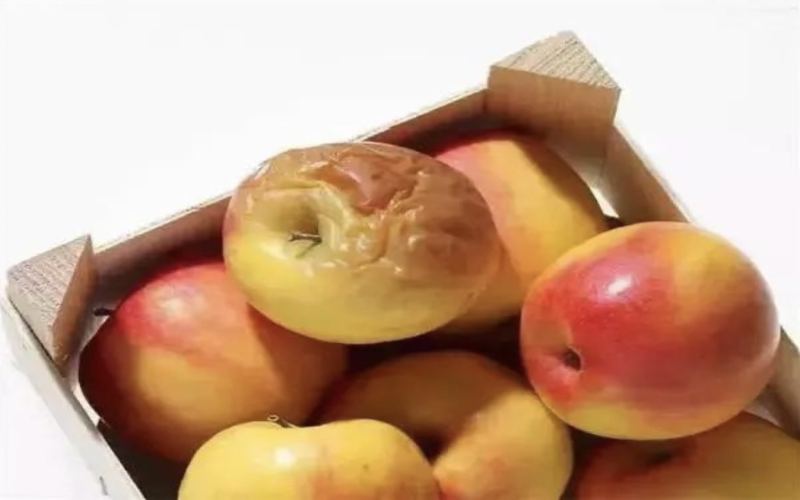
What are the negative flavors in coffee?
For the appreciation of coffee, it is also a very important thing to recognize its negative tastes. Although people's perception of positive flavors has come easily, when drinking a cup of uncomfortable coffee, they can only use the general terms suc [more…]
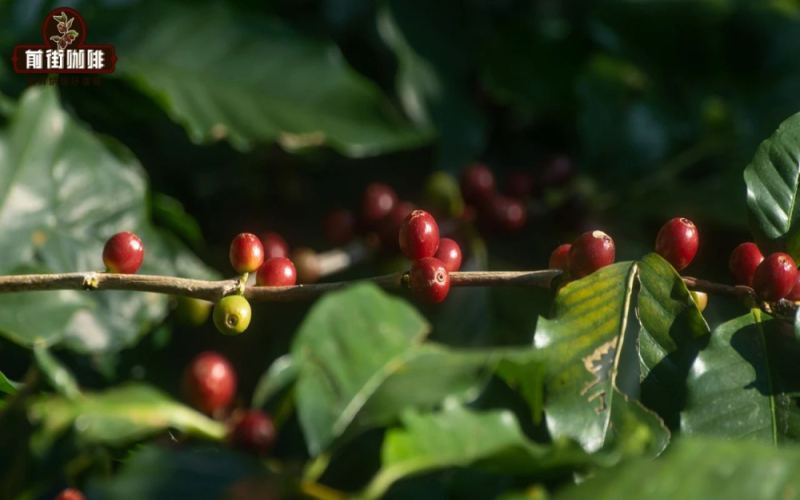
Is Yunnan small-bean coffee considered black coffee? A local brand selection guide and a record of Front Street Estate cultivation
The Yunnan coffee harvest typically peaks in mid-December, with higher-altitude plots ripening a little later—the same is true of Front Street Coffee's estate in Lincang, near the border with Myanmar. Last year, Front Street Coffee released a self-grown, self-processed Yunnan sun-dried Typica named "Front Street 2013." With a total output of just over 200 kilograms, it nonetheless won unanimous praise from customers; since November of this year, people have been asking when the new harvest will arrive. This article examines whether Yunnan arabica really counts as black coffee, how to choose among local brands, the difference between Catimor and Typica, why Baoshan is regarded as a high-quality producing region, and the cultivation, processing, roasting, and cupping performance of Front Street 2013 sun-dried Typica—offering coffee lovers a fairly complete reference. [more…]